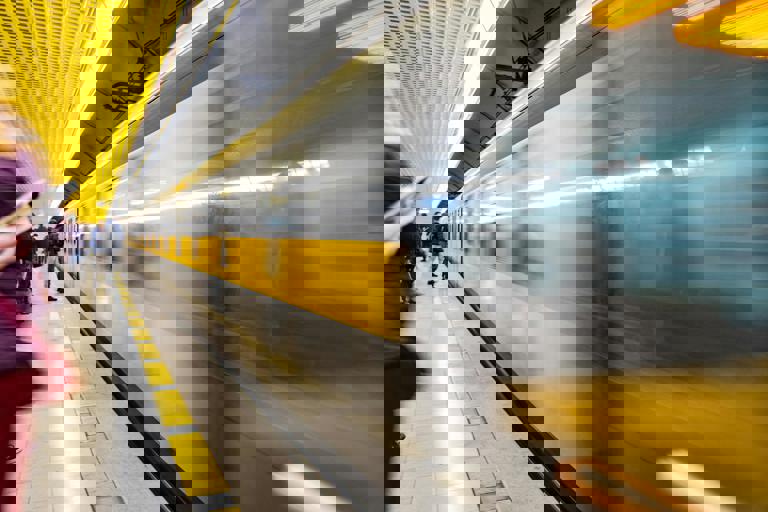
Commuters riding the subway on their daily routines have started to take note of something curious: a series of strange, unexplained noises echoing in the tunnels. Reports have trickled in over the last several weeks, with riders describing everything from metallic clangs to distant hums reverberating through subway cars. These noises, unusual even for a bustling transit system, have quickly become the subject of intrigue among transit users and enthusiasts alike.
Theories about the origin of these mysterious sounds have spread rapidly, both online and in whispered conversations on crowded platforms. Subway fans have offered numerous possibilities, ranging from the realistic to the fantastic. Some suggest aging infrastructure is to blame, with worn rails or malfunctioning components creating new sounds. Others speculate about more fanciful explanations, including the activities of secret societies or the presence of urban wildlife.
Transit officials have acknowledged awareness of the reports but maintain that there is no cause for alarm. Spokesperson Ellen Roberts stated, “Routine maintenance is always ongoing, and unusual noises can sometimes occur as equipment ages or as trains interact with various tunnel features.” However, her reassurance hasn’t curbed speculation among commuters, many of whom remain unconvinced by the official explanation.
Local engineers who work with subway mechanics are generally skeptical of outlandish theories, emphasizing the complexity of the system’s machinery. Mark Peterson, a transit system technician with over twenty years of experience, noted, “Subway tunnels can amplify all sorts of ordinary sounds, turning minor mechanical issues into much more dramatic audio experiences.” Peterson suggests that echoes and vibration play a large role in how these sounds are perceived by passengers.
Some riders believe the noises are tied to ongoing construction projects and repairs scheduled throughout the subway network. While maintenance work is often announced in advance, unexpected repairs can result in new or different sounds. Construction crews working overnight might inadvertently leave equipment in positions that generate odd echoes or unfamiliar reverberations during regular service hours, contributing to the growing chorus of strange noises.
Other subway users have expressed concern that the sounds are indicative of more serious safety issues lurking beneath the surface. Social media platforms are filled with posts from anxious riders pondering whether the noises could be warning signs of failing infrastructure. “It makes me nervous,” said one frequent commuter, who wished to remain anonymous. “Every time there’s a new sound in the tunnels, I can’t help but wonder if something important is breaking.”
In response to the concerns, transit authorities have increased the frequency of inspections in affected areas, hoping to assuage public fears. They’ve also ramped up communication efforts, sending updates and reminders about the ongoing maintenance schedule. By providing detail about current and planned repair work, they aim to reassure riders that the system is being vigilantly maintained and any potential hazards are being swiftly addressed.
Interestingly, some of the city’s subway superfans have turned the mysterious noises into a sort of unofficial event. A handful of dedicated enthusiasts now record their daily commutes, hoping to capture the most unusual or unexplained sounds. Online forums have sprung up to compare audio clips, dissect possible sources, and debate the plausibility of each new theory. For these fans, the mystery is a welcome puzzle that brings a sense of adventure to an otherwise ordinary journey.
Historians of urban transit point out that subways have always been a source of urban legend and speculation. Over the decades, strange events, odd sounds, and unexplained occurrences have woven their way into the community’s collective experience. “Every city with a subway system has its stories,” noted Dr. Sharon Tan, an urban studies professor. “It speaks to our fascination with the unseen elements of the city beneath our feet.”
Beyond the realm of speculation, experts stress the importance of maintaining public confidence in the safety and reliability of mass transit. Urban planners and transportation advocates warn that unaddressed rumors can impact ridership and erode trust in the city's infrastructure. Ensuring clear, transparent communication about the subway’s mechanical state is seen as crucial to preventing unnecessary alarm or misinformation from spreading.
Meanwhile, acoustics specialists offer their own perspective, noting that subway tunnels are uniquely designed environments where sound behaves unpredictably. Variations in tunnel shape, air pressure, or train speed can lead to sudden and unfamiliar noises. Such explanations, while technical, help demystify the experience for riders, suggesting that what’s unusual may actually be a routine byproduct of the subway’s physical environment.
As daily commutes continue and more riders lend their ears to the mystery, new reports keep surfacing. Some commuters have come to embrace the phenomenon, seeing it as a curious aspect of city life to be enjoyed rather than feared. As the story continues to develop, the mysterious noises in the subway tunnels serve as a reminder of the many ways public space shapes our shared experiences and fuels our imaginations.