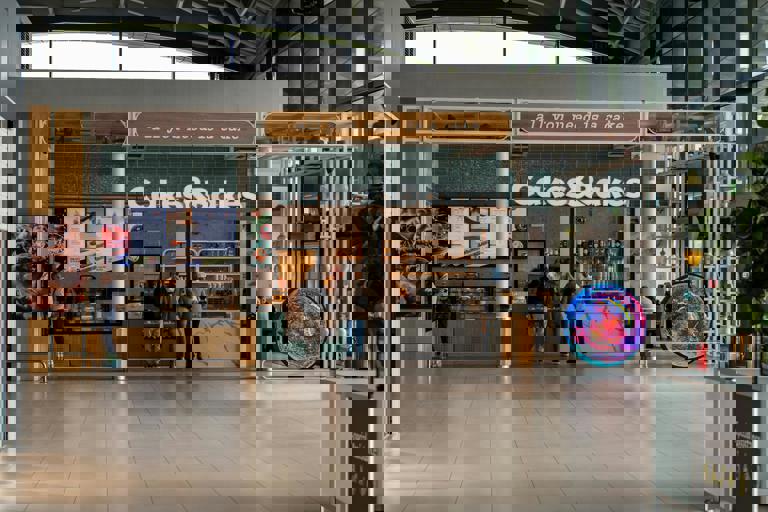
In recent years, a quiet revolution has been underway among coffee enthusiasts: the rise of hidden alleyway cafés scattered throughout unexpected corners of the city. These small, often inconspicuous establishments have been drawing in crowds of food adventurers eager to discover something outside the mainstream coffee shop experience. The allure lies not only in their elusive locations but also in their devotion to unique coffee blends, pastries, and bespoke atmospheres.
For many Torontonians, the traditional café has long been a beloved fixture of city life. However, as urban development presses onward and neighborhoods transform, enterprising café owners are seeking inspiration in underutilized spaces. Alleyways, once considered unremarkable or even neglected, are now prime locations for experimental cafés. This trend is changing the city’s culinary landscape and challenging conventional notions of where great food and drink can be found.
According to local culinary consultant Rebecca Chung, the appeal of these cafés transcends mere novelty. “People are looking for immersive experiences,” she says. “Finding a café tucked away behind an unmarked door or beneath a string of lanterns feels like uncovering a secret. It’s about more than coffee—it’s about discovery, atmosphere, and sometimes even exclusivity.”
While the locations might be obscure, the offerings are anything but. Many alleyway cafés go above and beyond when it comes to crafting their menus, with particular attention paid to sourcing rare beans, devising inventive brewing techniques, and curating pastry selections from local artisan bakers. Visitors might stumble upon Ethiopian single-origin espressos, cloud-like matcha pastries, or vegan croissants baked fresh each morning.
This surge in popularity has not gone unnoticed by the city’s tourism sector. Destination Toronto reports a marked increase in social media posts geotagged at lesser-known café addresses, especially in the last two years. “Word of mouth and Instagram reels have played a huge role,” says Khalil Najjar, a spokesperson for the agency. “Travelers and locals alike are excited to find—and share—hidden treasures.”
Such cafés are characteristically small, often seating no more than a dozen patrons. Interior designs range from industrial chic to cozy Victorian nooks, with reclaimed wood tables and hand-thrown pottery mugs. The tight quarters foster intimacy, prompting patrons to engage in conversation or quietly savor the artistry of their drinks. For many, this sense of shelter from the bustling city just beyond the alley walls is a significant part of the allure.
Operators of these cafés often cite challenging real estate markets as both a hurdle and a catalyst for creativity. “Rent is notoriously high in central neighborhoods,” explains Imran Patel, co-owner of one such hidden café. “We realized a converted alley garage offered affordability and a unique narrative. Customers love hearing how it used to house bicycles or was an artist’s studio. Our story sets us apart.”
The wave of popularity is bringing broader community benefits too. Some alleyway cafés collaborate with neighborhood associations to beautify their surroundings, commissioning murals or organizing weekend cleanups. These efforts transform forgotten or blighted spaces into vibrant gathering places, strengthening neighborhood bonds and fostering a sense of shared pride among residents and entrepreneurs alike.
Not only are these cafés redefining dining expectations, but they are also responding to changing consumer tastes. Food adventurers today seek options that cater to dietary preferences and sustainability. Many establishments highlight ethically sourced ingredients, plant-based milk alternatives, and compostable packaging. In doing so, they appeal to environmentally conscious consumers who want their coffee habit to reflect their values.
However, there are challenges ahead. With the novelty factor wearing off for some and the rising pressure from larger chains eager to capitalize on the trend, independence is essential. “Staying authentic is crucial,” says bakery consultant Amrita Singh. “Regulars return not just for great coffee, but for a story, a sense of community, and the knowledge that they’re supporting a genuinely unique space.”
Ultimately, the proliferation of hidden alleyway cafés signals a shift in urban exploration and coffee culture. These tucked-away gems invite both locals and visitors to reimagine the city’s possibilities, one cup at a time. With their fusion of ingenuity, quality, and community spirit, alleyway cafés are redefining what it means to find a memorable spot to sip, savor, and belong—and their popularity shows no signs of fading anytime soon.