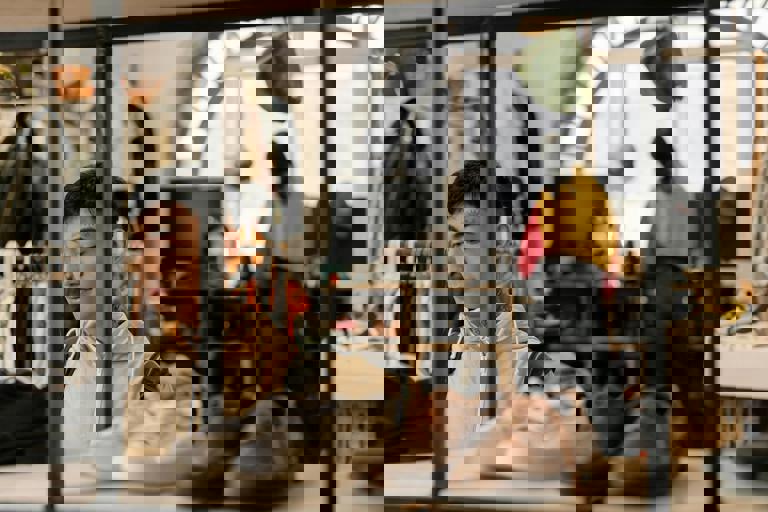
Queen Street was abuzz last weekend as Toronto’s latest vintage clothing pop-up opened its doors, drawing fashion enthusiasts from across the city. The event, held in a spacious loft above a storefront gallery, promised attendees a curated selection of retro fashions—spanning decades from the swinging sixties to the grunge-inspired nineties. For many, it was more than just a shopping trip; it was a chance to relive or discover the sartorial history of Toronto through clothing.
Organizers collaborated with local vintage curators and small business owners to bring together hundreds of handpicked garments, accessories, and footwear. Each rack was meticulously arranged by era and style, offering everything from psychedelic blouses to acid-wash denim jackets. Shoppers eagerly sifted through racks, searching for that elusive statement piece or a subtle nod to a bygone decade. According to event co-founder Iris Mendez, turnout exceeded their expectations. "We wanted to showcase not just clothes, but Toronto's unique style evolution," Mendez said.
A notable feature of the pop-up was its interactive styling corner, where visitors received advice from professional stylists well-versed in vintage layering and contemporary twists. This approach encouraged guests to experiment and merge signature looks from the past with modern trends. “Fashion is cyclical, and seeing people blend old with new is really exciting,” noted stylist Benjamin Leung, who offered free personalized consultations throughout the day.
The venue itself became part of the retro experience, with retro-inspired decor enhancing the event's ambiance. Colorful posters, mid-century furniture, and era-appropriate music playlists contributed to the nostalgic vibe. Overhead, a Fleetwood Mac track faded into Madonna’s early hits, setting the mood for visitors to linger as they browsed. Lighting was carefully designed to evoke the warm glow of vintage boutiques, making each garment look even more inviting.
What set this pop-up apart was its focus on Toronto's distinct history in fashion. Local designers and collectors contributed pieces worn at iconic city events, like MuchMusic video awards or Queen West art walks from decades past. Attendee Martha Sinclair remarked, “It’s wonderful to recognize jackets and shoes that might have danced at old city nightclubs or walked through our beloved street festivals.” Each item seemed to tell a uniquely Torontonian story.
Sustainability was also central to the event’s ethos. The organizers emphasized the environmental benefits of purchasing vintage clothing instead of new fast fashion. According to the Fashion Industry Charter for Climate Action, extending the life of clothing by just nine months can reduce carbon, water, and waste footprints by 20-30%. Pop-up staff were quick to educate shoppers about the positive ecological impact of their purchases.
The economic aspect was not overlooked, either. Affordability, coupled with the increasing popularity of secondhand shopping among younger demographics, attracted students and cost-conscious shoppers. Deals and discounts were offered mid-afternoon, drawing even more visitors—as word spread through social media, lines began to form outside. "You can find designer items for a fraction of the original price," said attendee and fashion student Priya Kapoor.
Beyond commerce, the event fostered a sense of community among Toronto’s style aficionados. Shoppers swapped stories about their finds and shared styling tips with strangers. The pop-up also hosted brief panel discussions with local fashion historians, recalling how Queen Street became a hub of countercultural expression and avant-garde style in the 1970s and 1980s. Many left with not only new wardrobe additions but also a deeper appreciation for the city’s sartorial legacy.
For some visitors, the pop-up offered more than nostalgia—it provided resources for building a distinctive, conscious wardrobe. Complimentary workshops on garment care and upcycling were held throughout the day, teaching basic mending techniques and creative ways to repurpose older clothes. These sessions, led by local textile artist Rachel Lin, aimed to empower shoppers to extend the life of their vintage finds long after the event ended.
As the pop-up drew to a close, organizers reported that nearly three-quarters of the inventory had found new homes. Plans are already underway for a recurring series, with the next event slated for autumn. “This turnout shows Toronto’s appetite for unique, sustainable fashion is only growing,” Mendez noted. Reflecting on the day’s energy, both vendors and guests agreed: retro Toronto style isn’t just back—it’s being reinvented for a new generation.